

The Wingaga Casino mobile application delivers the same slot and live-dealer library that is found on the desktop site, yet it is built for smaller touchscreens, variable data connections and the operating systems that most players actually use https://wingagas.com/app/. The pages that follow describe which devices the app works with, how to obtain and install it, and what performance trade-offs appear once the software is running. Every step is explained in the order a new user comes across it, so that readers can decide whether the mobile route matches their hardware and data plan before they start the download.
Supported Devices and Operating Systems
The Wingaga Casino app is compiled separately for Android and iOS, meaning each build contains the graphics libraries and network calls that match the graphics chip and security model of the target platform. On Android the minimum supported version is 7.0 Nougat; the package targets API level 33 and therefore runs on the majority of handsets sold after 2019. Memory footprint after installation is roughly 85 MB, and an additional 120 MB of cache gets generated the first time the lobby is opened. On iOS the lowest compatible release is iOS 13; the binary is thinned for both arm64 and arm64e, so it installs on iPhone 7 and later as well as on any iPad that supports the current version of iPadOS. Screen-density scaling accommodates densities from 1× through 4×, which covers everything from older WXGA tablets to the latest 120 Hz OLED panels.
Typical Installation Issues and Their Resolution
Users who experience an “app not installed” message after sideloading typically have another copy of the package already present with a conflicting signature; deleting the older version through Settings → Apps clears the conflict. On iOS, an “untrusted developer” alert shows up the first time the app is opened; the user must proceed to Settings → General → VPN & Device Management and explicitly trust the Wingaga Limited certificate. Network timeouts during the initial asset download are usually caused by aggressive battery-saving modes that throttle background data; turning off the mode for the first launch resolves the issue.
Getting the Application Package
As the Android package is provided outside the Google Play store, users must allow installations from unknown sources before the file transfer begins. On devices running Android 8.0 or higher the setting resides under Settings → Apps → Special app access → Install unknown apps; earlier versions place the toggle inside Security. Once permission is granted, the user visits the site wingagas.com/app/ in any mobile browser and clicks the Android download button. The resulting APK has a SHA-256 signature that can be checked against the checksum published on the same page, giving users a way to confirm the file has not been altered in transit. iOS users do not experience the same sideloading step; they are sent to the App Store listing that holds the identical binary under the developer name Wingaga Limited.
Android Sideloading Steps in Detail
Verifying the Checksum Before Installation
After the APK lands in the downloads folder, the user can use a terminal app or any file-manager that offers hash functions and match the SHA-256 value against the string displayed on the download page. A mismatch points to either network corruption or an intercepted file, in which case the download should be redone. If the values match, the package can be accessed directly from the notification shade or from within the file manager. The operating system then presents the list of permissions the app requests; these include storage access for saving game assets and phone-state access for multi-factor authentication. Granting the permissions enables the installer to proceed; refusing any permission stops installation because the app cannot function without them.
Data Usage and Network Demands
A 30-minute session that contains both slots and one live table takes up approximately 28 MB when low-data mode is active and 95 MB when HD streams are enabled. These numbers presume default animation settings and no video autoplay in the lobby. Players on metered connections can establish an in-app monthly data cap; once the threshold is hit the client automatically shifts all video to 480p and deactivates large asset pre-loading. The setting is kept locally and does not affect account-level responsible-gaming limits.
Protection and Account Security on Smartphone
The mobile client employs again the same TLS 1.3 handshake that the desktop site utilizes, yet it includes certificate pinning so that even if the device trusts a rogue CA the connection still breaks. Biometric login, when enabled, keeps only a cryptographic token derived from the fingerprint or face data; the raw biometric sample never exits the secure enclave. Session tokens end after 20 minutes of inactivity, after which the user must re-authenticate with either biometrics or the full password, minimizing exposure if the device is left unattended.
Upgrading the Application

Since the Android version is installed outside the Play store, updates are delivered through the same wingagas.com/app/ page. When a new build is available the app displays an in-app banner that links directly to the updated APK. iOS users receive updates through the App Store’s standard mechanism; the version number displayed in Settings → Wingaga matches the build number shown on the website, allowing users to confirm they are running the latest release. Both platforms retain local game history and filter preferences across updates, so no manual re-configuration is required after the new binary replaces the old one.
Adaptability with Tablets and Foldable Phones
While the app binary is the same for phones and tablets, the layout engine detects screen widths above 600 dp and switches to a two-column lobby grid. On foldable devices running Android 12L or later the app supports the “tabletop” posture: when the inner screen is fully unfolded the interface displays a desktop-like layout while the cover screen persists to show the phone layout. Orientation changes are handled without loss of game state; a spinning reel preserves its animation after the device is rotated because the WebView instance that hosts the game is held in memory.
In-App Features That Differ from the Desktop Site
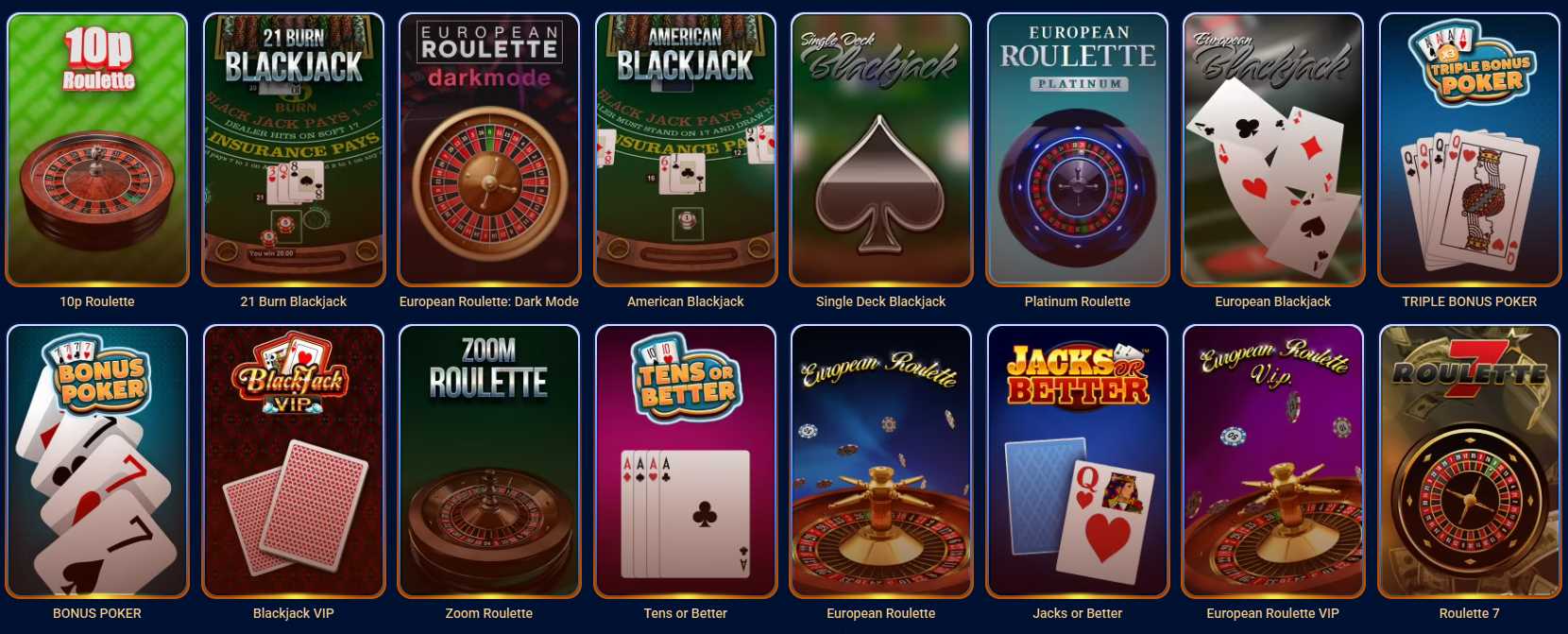
The mobile client adds a one-handed bet-size slider that can be adjusted with the thumb while the reel set remains visible above it, cutting the need to open additional menus during play. A quick-spin toggle reduces the reel-stop animation time, lowering the average spin cycle from 3.8 s to 2.1 s when data throughput falls below 1 Mbps. The live-dealer section provides a “low-data mode” that replaces HD video with a 480p stream and turns off background audio, lowering bandwidth from roughly 2.4 Mbps to 480 kbps. Push notifications for tournament start times can be switched per game category, and the notification payload contains a deep link that opens the chosen table without further navigation.
Speed Metrics on Mid-Range Hardware
Internal tests on a Snapdragon 695 device running Android 12 show an average CPU load of 18 % during 30-minute slot sessions and 34 % during live blackjack. RAM usage settles at 210 MB after the first five minutes, offering headroom for system processes on phones equipped with 4 GB of memory. Battery drain recorded with a USB power meter stands at 7 % per hour under the same conditions, rising to 11 % when low-data mode is disabled and the screen brightness is set to 70 %. On an iPhone 12 the figures are 12 % CPU, 180 MB RAM and 5 % battery per hour, indicating the more efficient thermal envelope of Apple silicon.
Choosing Between Software and Mobile Browser
The mobile browser experience at wingagas.com employs the identical HTML5 game structures as the app, yet it is unable to access device-level biometric sensors or push-notification channels. Battery impact is marginally higher as the browser must maintain its own JavaScript engine instead of the compiled native code. In contrast, the browser route rarely requires sideloading or store approval, which some users on corporate or restricted devices favor. The app thus suits players who appreciate faster load times and biometric login, while the browser remains the fallback for devices that block unknown sources or lack sufficient storage for a dedicated package.
Readers who have confirmed that their handset meets the specified operating-system thresholds can move to the download page, confirm the checksum if sideloading, and set up the client in under two minutes. Once the first asset bundle completes, the slot and live-dealer catalogue is ready without further configuration, and every subsequent session follows the data and battery preferences stored inside the app. This sequence offers users a concrete path from curiosity to active play while maintaining hardware and network constraints visible at every step.
Installation and First Launch
Once the application is installed, the Wingaga icon becomes visible in the app drawer. The first launch triggers a 30-second asset download that fetches the present slot and table graphics so that following sessions do not need large data transfers. The user is then requested to enter existing account credentials or to establish a new profile straight inside the app; the flow reflects the desktop registration page but uses the device keyboard and, where supported, biometric prompts. After login the lobby loads in the identical state it last showed on the website, maintaining filters such as “Megaways” or “Greek-language dealers.”